
How to Heal Your Gut Naturally: 7 Science-Backed Steps for Better Digestion
Chronic bloating, skin breakouts, and brain fog often start in the gut. Here are 7 practical, evidence-based steps to restore your digestive health.
In this article
The Gut: Your Body's Second Brain
Your digestive tract houses over 100 trillion microbial cells that regulate everything from immune defense and hormonal balance to serotonin production (90% of which is produced in the digestive tract). When your gut flora becomes imbalanced, chronic inflammation, fatigue, and digestive distress inevitably follow.
1. Aim for 30 Unique Plants Per Week
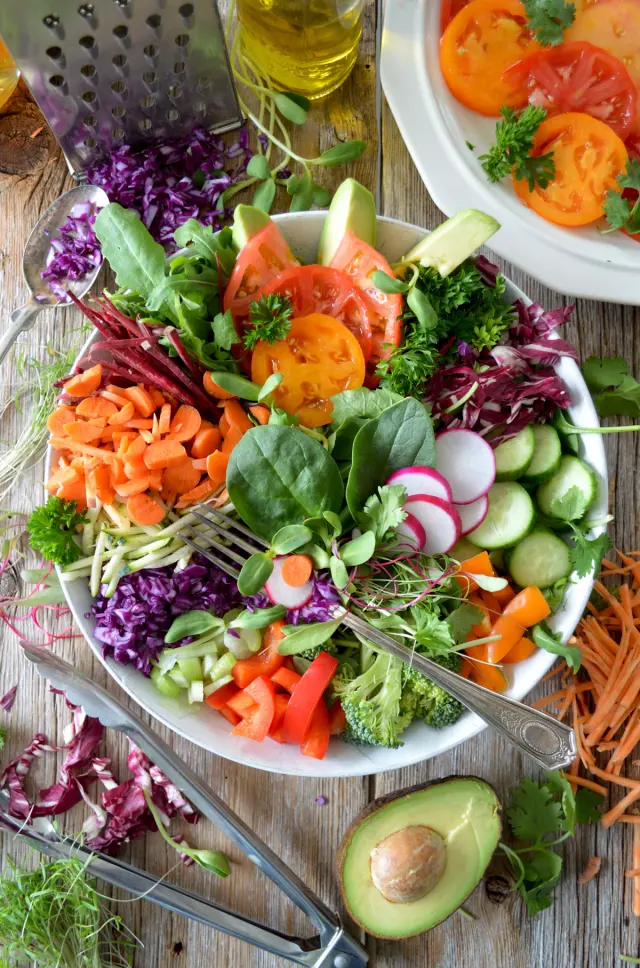
The landmark American Gut Project study revealed that individuals who consumed 30 or more distinct plant types per week had significantly greater microbiome diversity and health markers than those who ate 10 or fewer. Count all vegetables, fruits, herbs, spices, nuts, seeds, and whole grains.
2. Introduce Traditional Fermented Foods Daily
Fermented foods supply living colony-forming units (CFUs) along with postbiotics that fortify the gut mucosal lining. Add small daily portions of:
- Unpasteurized raw sauerkraut and kimchi.
- Authentic kefir (water or grass-fed dairy).
- Traditional miso paste and tempeh.
3. Feed Beneficial Bacteria with Prebiotic Fibers
Probiotics need food to thrive. Prebiotic inulin and resistant starches nourish bifidobacteria. Stock up on garlic, leeks, onions, slightly green bananas, asparagus, and cooled boiled potatoes.
4. Eliminate Artificial Sweeteners and Emulsifiers
Chemical emulsifiers (such as polysorbate 80 and carboxymethylcellulose) and synthetic sweeteners have been shown in animal and human trials to erode the protective mucus barrier of the intestinal wall.
5. Chew Your Food Until It Is Pure Liquid
Digestion begins in the mouth with salivary amylase. Rushing through meals forces the stomach and small intestine to work in overdrive, leading to fermentation and painful gas.